
Yachats Lions Hall, Doors open at 130p and starts at 200p
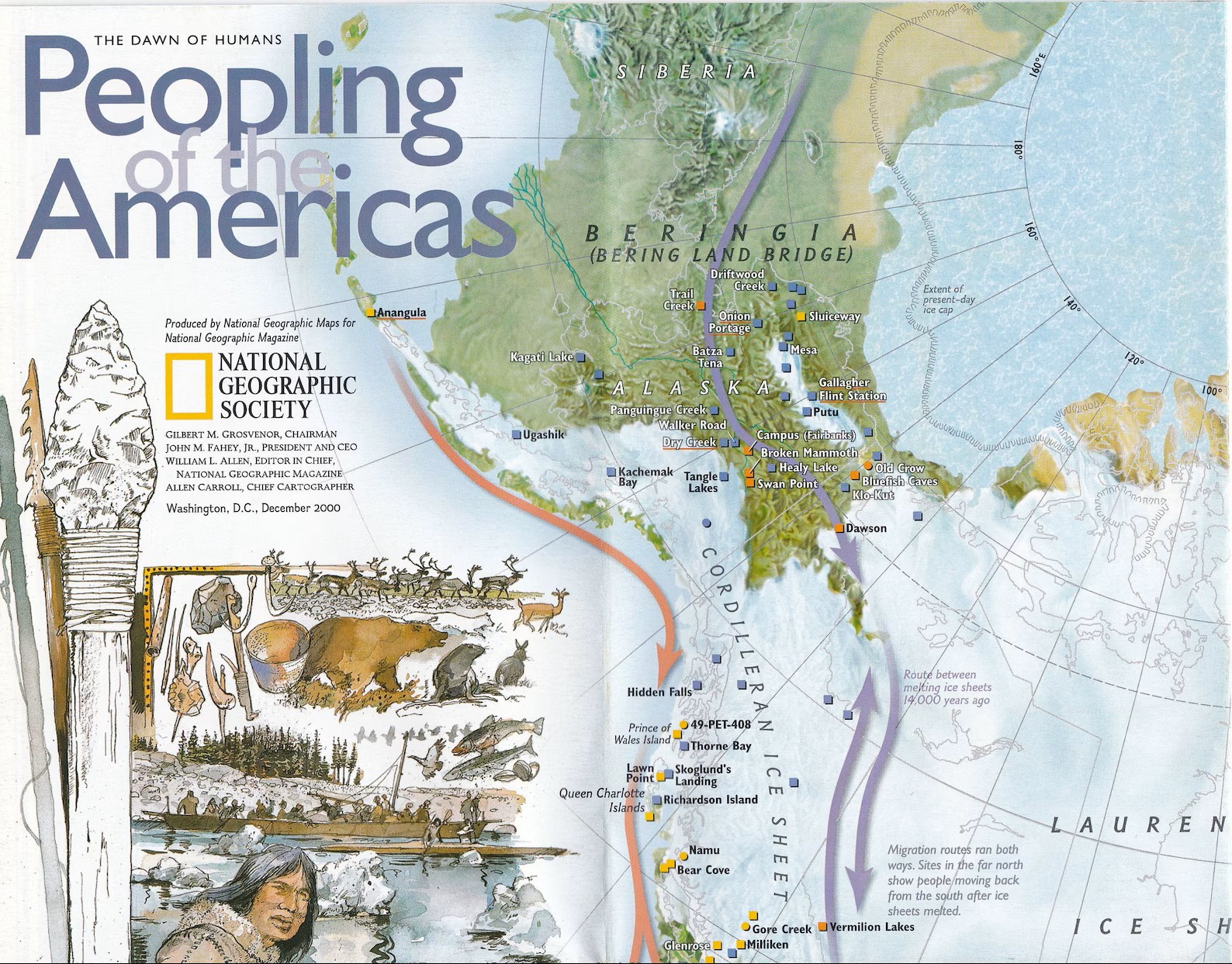
Todd Braje – Seafaring, Spear Points, and the Peopling of the Americas: Perspective from the Pacific Coast
Little more than two decades ago, most archaeologists believed they knew when and how the Americas were first settled. Today, there are more questions than answers about the origins of the First Americans, a situation that has stimulated new ideas and reinvigorated theories once considered marginal. I discuss the implications of recent research along the Pacific Coast of North America—which has pushed the antiquity of maritime adaptations in Canada, the United States, and Mexico back into the terminal Pleistocene—for understanding the origins of Paleoindian peoples in North America’s Far West. It now seems likely that the Pacific Coast was at the epicenter of Paleoindian origins and may link the initial colonization of the Americas to one of the most significant maritime migrations in human history.
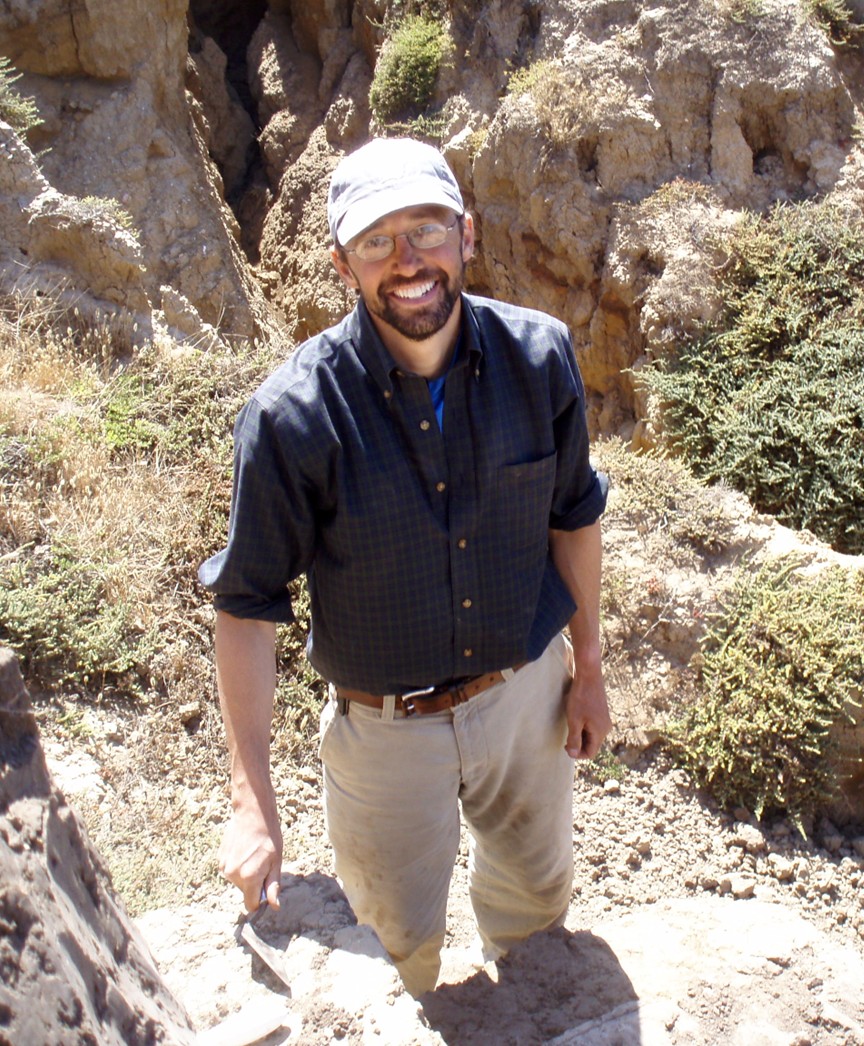
Todd Braje is a museum director and archaeologist and the majority of his field research has been conducted on California’s Northern Channel Islands. His research includes fieldwork at some of the oldest sites along the New World Pacific Coast, occupied by Pleistocene maritime voyagers, and some of the most recent with 19th century commercial abalone processing camps, created by Chinese immigrants during the California Gold Rush. Along with over 100 academic journal articles and book chapters, Braje’s most recent book is titled Understanding Imperiled Earth: How Human History Can Inform Our Planet’s Future.
The museum is located on Kalapuya ilihi, the traditional homeland of the Kalapuya people, many of whom are now citizens of the Confederated Tribes of Grand Ronde and the Confederated Tribes of Siletz Indians.
Museum of Natural and Cultural History
 Lions Focus Area – Humanitarian